How painting changes you goes far deeper than improved technique or prettier pictures. Most women expect painting to change their art, but they don’t expect it to change who they are.
Key Takeaways:
- Identity transformation happens in 3 distinct phases over 6-18 months of sustained practice
- Women report life changes beyond the canvas within the first 7-12 weeks of soulful painting
- The deepest transformation occurs through witnessing your own creative process, not through creating beautiful paintings
What Actually Changes When You Paint Regularly?
Regular painting practice is a sustained relationship with your own creative process that transforms how you see yourself and move through the world. This means the canvas becomes a mirror where you witness your patterns, fears, and authentic voice over time.
The transformation through painting differs from surface-level benefits like stress relief or new skills. Women in the Soul Journey course report identity shifts that surprise them. “I am now a PAINTER. I came in thinking I was someone who dabbles. I leave knowing this is mine,” says Riki Babad. Another student, Dalya, describes it this way: “This wasn’t a painting course. It was a course about me, using painting as the door. I uncovered parts of myself I didn’t know were waiting.”
The long-term painting transformation arc unfolds through your relationship with creative resistance, perfectionism, and permission. Each time you show up to paint, you practice choosing your authentic expression over external approval. This practice of self-trust extends beyond the easel into relationships, work, and daily decisions.
Soul Journey students consistently report internal shifts within the first 7-12 weeks of practice. These changes include increased self-permission, stronger boundaries, and deeper presence in their daily lives. The soulful art practice creates space for parts of themselves that have been waiting to emerge.
The 3 Phases of Creative Transformation Through Painting
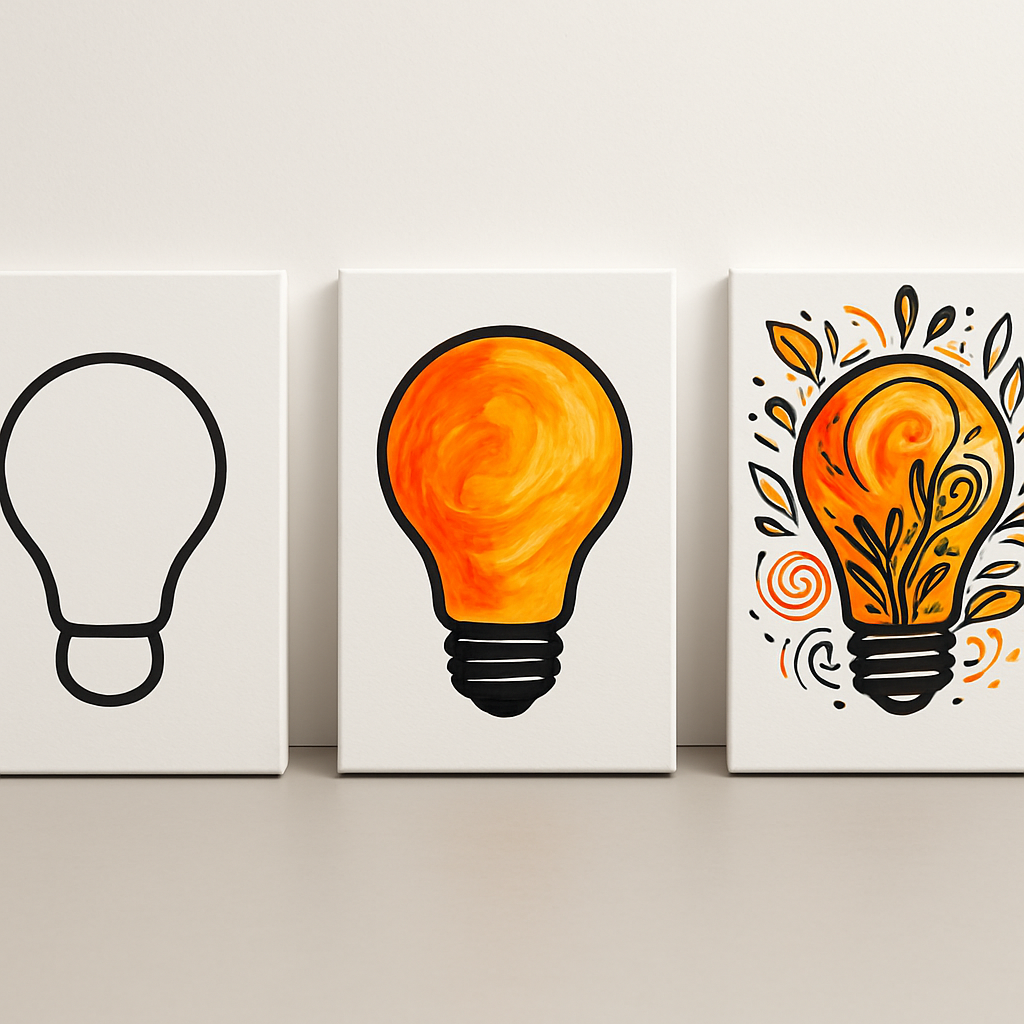
Creative transformation unfolds in predictable phases as you develop sustained witness of your own creative process. Each phase builds on the previous one, creating a foundation for the deeper identity shifts that follow.
| Phase | Timeline | Markers | Core Work |
|---|---|---|---|
| Permission & Showing Up | Weeks 1-8 | Regular painting sessions, decreased resistance | Learning to begin, staying with discomfort |
| Identity Shift & Voice | Months 2-6 | “I am an artist” statements, style emergence | Trusting your marks, developing visual language |
| Integration & Life Application | Months 6-18 | Life changes beyond canvas, kavanah in daily activities | Using creative wisdom in relationships and work |
Phase 1 focuses on permission and showing up. You learn to begin painting sessions even when you don’t feel ready. This phase involves facing the initial resistance that keeps most people from starting a daily painting practice. The marker of completion is consistent showing up without needing perfect conditions or guaranteed outcomes.
Phase 2 brings identity shift and voice emergence. Around month two, women begin claiming the word “artist” for themselves. Your unique visual language starts appearing in your work. This phase involves developing trust in your marks and letting your authentic expression emerge rather than copying external models.
Phase 3 integrates creative wisdom into life beyond painting. The transformative art practice creates spillover effects in parenting, relationships, and work decisions. You apply the same presence and intentional attention you’ve developed at the easel to other areas of your life. The creative transformation arc completes when painting wisdom becomes life wisdom.
What Women Report After Months of Soulful Practice
Sustained soulful practice produces life changes beyond the canvas that surprise women with their depth and permanence. These shifts reflect the accumulation of creative trust built through daily painting ritual and witnessed self-expression.
-
Permission to take up space: Women report setting boundaries they never could before and asking for what they need in relationships. “I spent years waiting for permission to call myself creative. Soul Journey was that permission. Now I don’t need anyone to give it to me,” says Ashley.
-
Increased presence with difficulty: The practice of staying with challenging paintings translates to staying present during life conflicts. “I learned to be with a ‘ruined’ painting, to trust that the mess is part of it. That lesson doesn’t stay at the canvas. It follows me everywhere,” reports Michal.
-
Trust in their own knowing: After months of choosing colors and marks from internal guidance rather than external rules, women develop confidence in their intuitive decisions off the canvas. This shows up as career changes, relationship choices, and parenting decisions made from authentic knowing rather than fear.
-
Deeper connection to the sacred in daily life: Regular soulful art practice trains attention to notice beauty, meaning, and presence in ordinary moments. Women describe feeling more connected to their spiritual lives and finding sacred moments throughout their days.
These changes accumulate over months of practice. “What happened inside me during this course is something I’ll carry for the rest of my life,” says Basya. The permanence of these shifts distinguishes transformative practice from temporary stress relief or skill-building activities.
How Does Painting as Prayer Transform Your Daily Life?
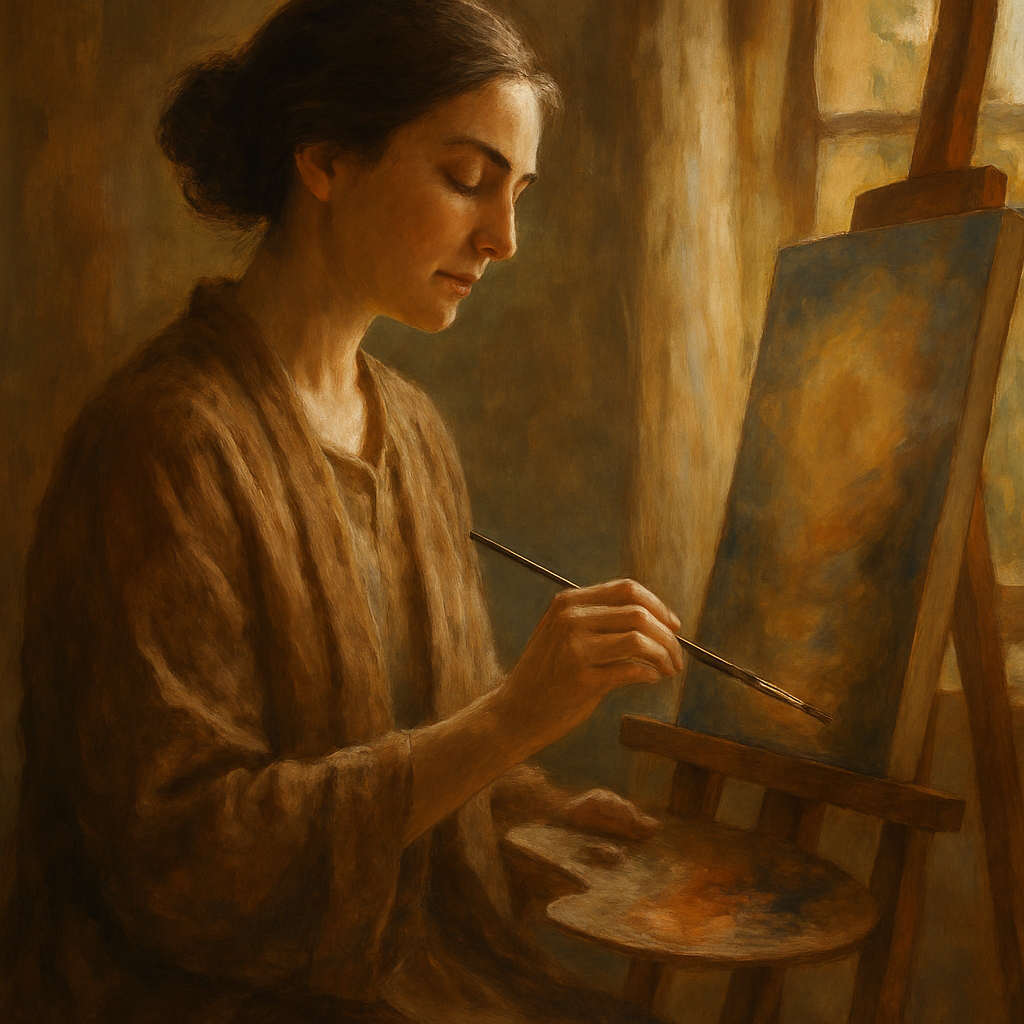
Painting as prayer develops kavanah, directed intention, that extends far beyond your painting sessions into every area of your life. This devotional approach to making art creates a foundation of sacred attention that transforms how you approach relationships, work, and daily activities.
Kavanah is the Jewish practice of bringing conscious intention to any action, transforming routine activities into opportunities for presence and connection. When you paint with kavanah, each brushstroke becomes an act of devotion. This quality of attention, focused, reverent, and present, becomes a skill you carry into other moments.
Women who practice painting as prayer for six months or longer report increased mindfulness in parenting conversations, more intentional presence during work meetings, and deeper attention during prayer or meditation. The same slow, witnessing awareness you bring to watching paint move across paper shows up as patient listening during family conflicts.
The spillover effects surprise women with their consistency. One Soul Journey student describes how her morning painting ritual changed her entire day: “I bring the same quiet attention I use when mixing colors to conversations with my teenage daughter. The quality of our relationship has shifted because I’m showing up differently.”
This transformation happens because painting as prayer trains your nervous system to drop into presence on demand. The ritual of beginning each painting session with intention creates a template for bringing conscious awareness to any activity throughout your day.
Why Does the Arc Take Time? The Deepening That Can’t Be Rushed
Deep transformation requires sustained witness of your creative process because trust and identity shifts accumulate slowly through repeated experience, not single insights. The transformative art practice works through the body and nervous system, not just the mind, requiring time for new patterns to become integrated.
The creative transformation arc cannot be compressed into weekend workshops or intensive retreats because it depends on showing up consistently through different emotional states, life circumstances, and creative challenges. Each painting session adds another layer of self-knowledge and trust. The woman who shows up to paint during grief develops different creative muscles than the woman who only paints when inspired.
Soul Journey students who continue painting for a full year report deeper changes than those who practice for seven weeks. The difference lies in witnessing your creative process through multiple seasons of life. You learn to trust your artistic voice by meeting it repeatedly under different conditions, during stress, joy, anger, and peace.
The accumulation of small moments of creative courage creates the foundation for larger life changes. Each time you choose to make a mark that feels true rather than safe, you strengthen your capacity for authentic expression in all areas of life. This muscle memory of choosing authenticity cannot be developed quickly, it emerges through sustained practice over seasons.
Comparison studies of Soul Journey participants show that women practicing for one year report life transformation at double the rate of those practicing for three months. The magic happens not in the individual breakthrough moments, but in the quiet accumulation of trust built through showing up consistently to meet yourself at the canvas.
Frequently Asked Questions
How long does it take to see transformation from painting?
Most women notice internal shifts within 7-12 weeks of regular soulful practice. Identity-level transformation typically unfolds over 6-18 months. The deepest changes come from sustained witness of your own creative process, not from achieving painting skills.
Can painting really change your life outside of art?
Yes, sustained soulful painting practice develops presence, self-trust, and intentional attention that transfer to relationships, work, and daily decisions. Soul Journey students consistently report life changes that extend far beyond their creative abilities.
What’s the difference between hobby painting and transformative painting?
Transformative painting includes kavanah (directed intention), witness of your creative process, and sustained practice over time. Hobby painting focuses on creating objects while transformative practice uses creation as a doorway to deeper self-relationship and presence.
Leave a Reply