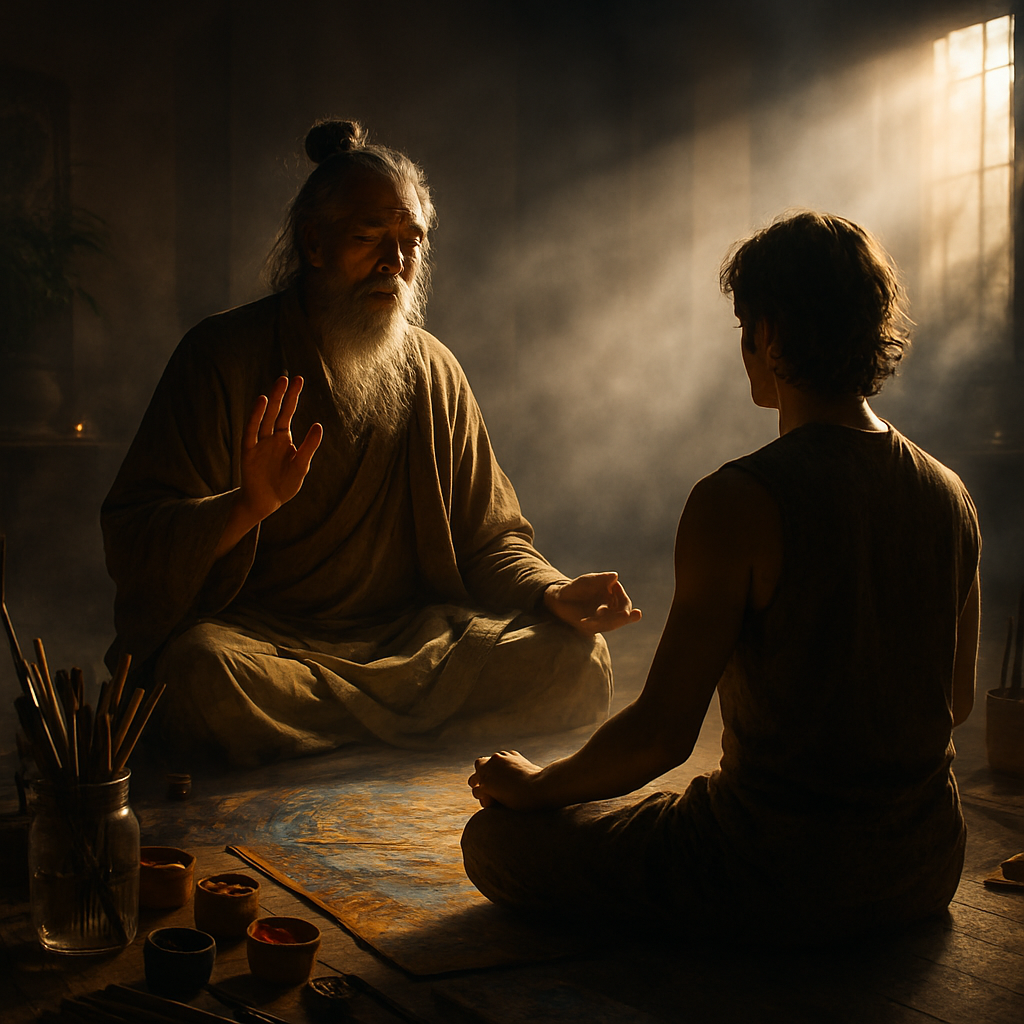
Art in spiritual direction creates access to soul material that words alone cannot touch. The moment someone sits across from you and can’t find words for what’s happening in their soul, you need tools that bypass language entirely.
Key Takeaways:
- Art in spiritual direction creates direct access to the unconscious through the visual cortex, bypassing the verbal filters that often block breakthrough moments
- Jewish tradition positions image and symbol as primary revelation vehicles, the Torah itself uses 613 visual metaphors to communicate what words cannot express
- Licensed spiritual directors can legally incorporate creative expression without art therapy credentials when focused on spiritual formation rather than psychological treatment
How Does Art Open What Words Close in Spiritual Direction?
Spiritual direction art tool is a method that bypasses verbal resistance to reach places where the soul stores its deepest material. This means when someone can’t articulate their spiritual experience, creative expression in spiritual direction provides a direct pathway to what lives beneath conscious awareness.
The visual cortex processes information 60,000 times faster than verbal processing centers. When directees work with paint, charcoal, or simple mark-making, they access spiritual content that thinking and talking cannot reach. Art bypasses the internal editor that censors vulnerable material before it reaches conscious expression.
Using art in therapy practice and spiritual direction both recognize this principle, though spiritual directors focus specifically on the divine relationship rather than psychological healing. When someone paints their prayer life or draws their experience of God’s presence, they often discover truths that months of conversation had not revealed.
Traditional talk-based direction hits walls when directees intellectualize their spiritual experience or when trauma, grief, or mystical encounter exceeds verbal capacity. The brush becomes a bridge between the ineffable and the expressible. This is why contemplatives throughout history have turned to visual symbol when words fail to contain their encounter with the sacred.
What Does Art Therapy vs Spiritual Direction with Art Actually Mean for Your Practice?
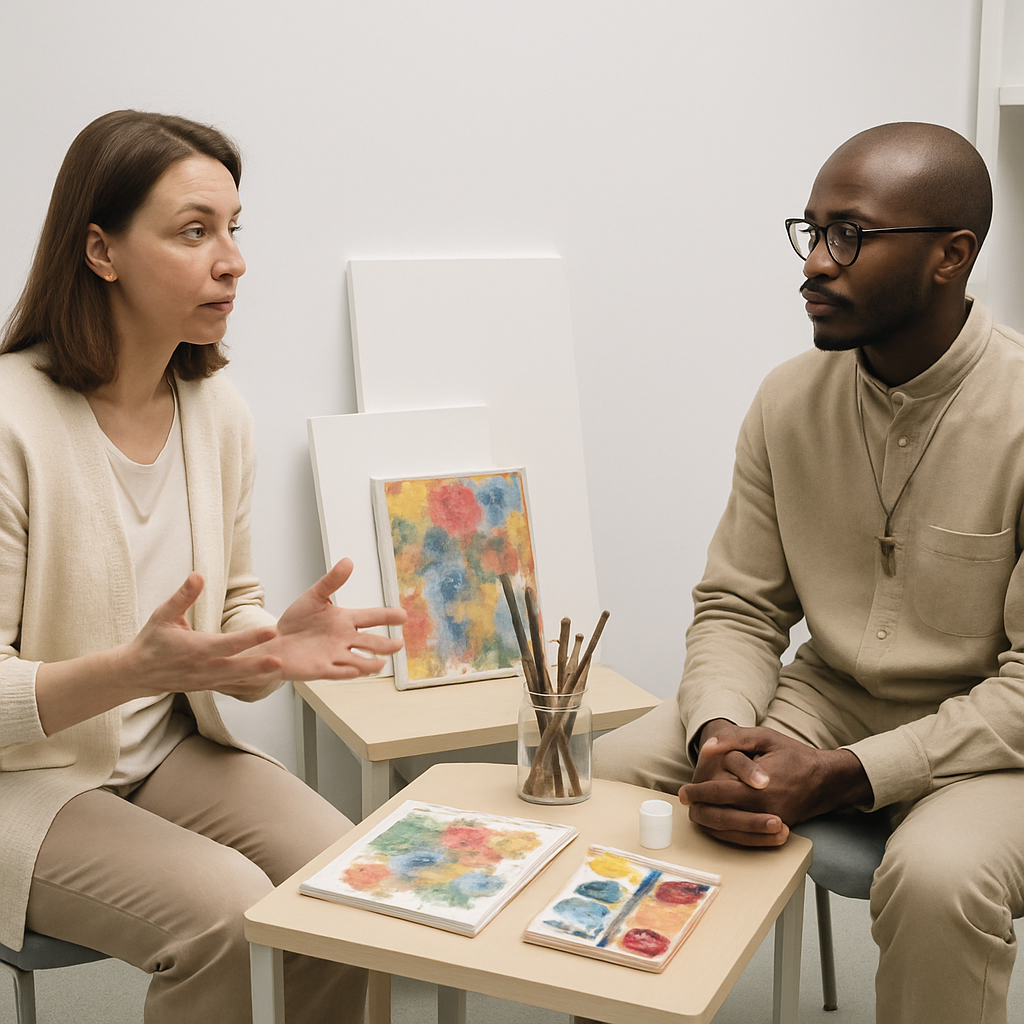
Spiritual direction differs from art therapy in scope, training, and focus. Understanding these boundaries protects both director and directee while maximizing the potential for spiritual formation.
| Feature | Art Therapy | Spiritual Direction with Art |
|---|---|---|
| Scope | Psychological treatment | Spiritual formation |
| Training Required | Master’s degree + 1,000 clinical hours | Spiritual direction certification |
| Focus | Mental health symptoms | Relationship with divine |
| Legal Authority | Diagnose and treat | Guide and witness |
| Documentation | Clinical records | Session notes |
Art therapy requires a master’s degree plus 1,000+ clinical hours; spiritual direction with creative elements requires no clinical licensing. Art therapists treat psychological conditions through creative expression. Spiritual directors witness spiritual formation through the same medium.
Art facilitation within spiritual direction serves the directee’s relationship with God, not their psychological healing. When someone paints their experience of prayer, you’re attending to their spiritual formation. When patterns emerge that suggest clinical needs, persistent trauma responses, dissociation, or psychological symptoms, referral to licensed art therapists becomes necessary.
Therapeutic art practice belongs to trained clinicians. Spiritual directors can incorporate creative expression as long as the focus remains on spiritual formation rather than psychological treatment. Documentation should reflect spiritual themes, not psychological assessments.
The boundary becomes clear in intention: Are you helping someone grow in their spiritual life, or are you treating psychological symptoms? The former belongs to spiritual direction; the latter requires clinical training.
Image and Symbol in Torah: The Ancient Model for Guiding Through Art
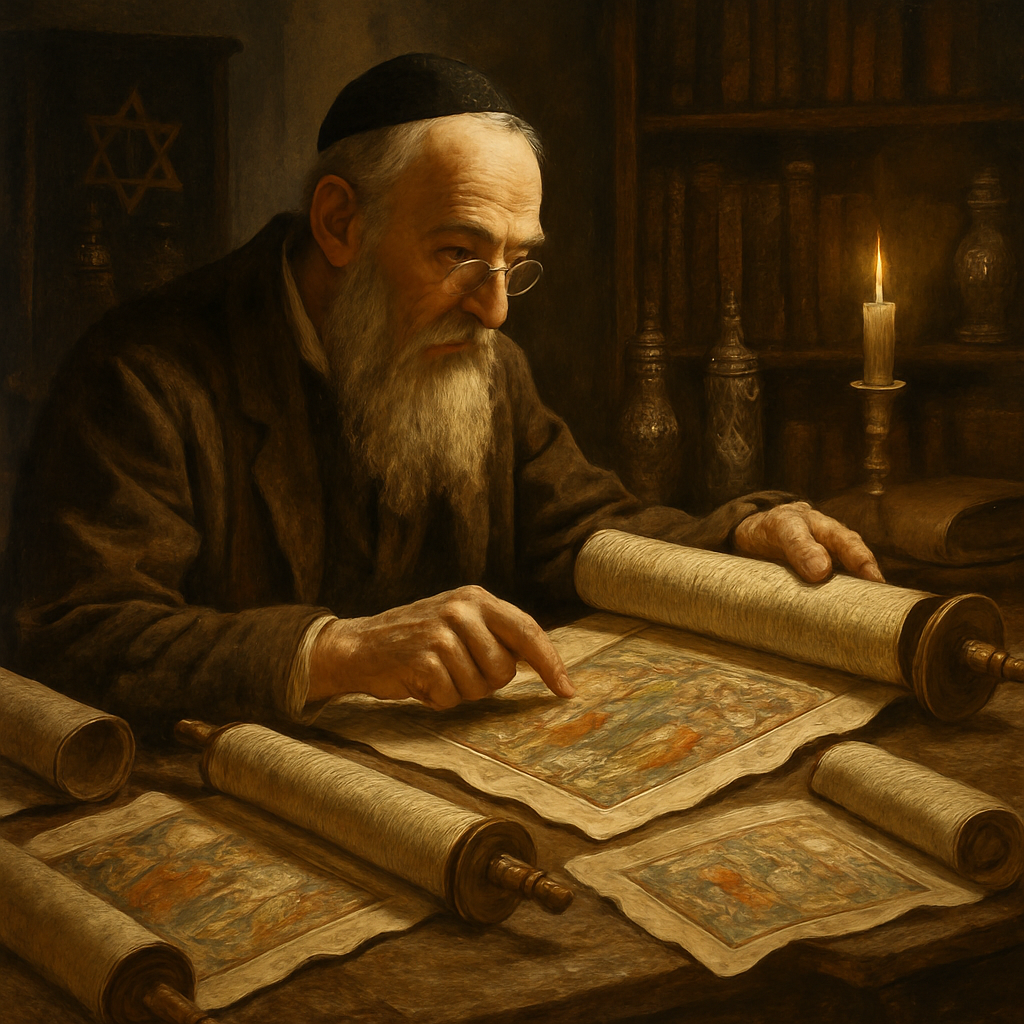
Community creative leadership finds its deepest roots in Jewish text itself. Torah contains 613 visual metaphors and concrete images to communicate abstract spiritual concepts that resist verbal explanation.
The Tabernacle instructions in Exodus provide the clearest template for transformative art practice in spiritual guidance. God gives detailed visual specifications, colors, materials, proportions, as the vehicle for divine encounter. The physical structure becomes the pathway to spiritual experience. This establishes visual creation as primary spiritual technology, not decorative addition.
Prophetic literature relies on concrete imagery to convey divine messages. Ezekiel’s wheels, Isaiah’s burning coal, Jeremiah’s potter’s clay, each uses visual symbol as the revelation vehicle. The prophet receives through image first, then translates into words. This sequence matters for spiritual directors: symbol precedes interpretation, not the reverse.
When someone paints their spiritual experience, they follow this ancient pattern. The image carries meaning that verbal processing cannot reach. Your role as guide mirrors the prophet’s task, to witness what emerges without forcing premature interpretation. The painting itself becomes sacred text requiring contemplative reading rather than immediate analysis.
This is why intuitive painting serves spiritual direction so well. Like prophetic vision, it allows unconscious spiritual material to surface through symbol before cognitive processing begins.
How Do You Actually Introduce Painting Into Your Direction Sessions?
-
Frame creative expression as spiritual exploration rather than artistic production. Tell directees they’re not making art, they’re praying with color and form.
-
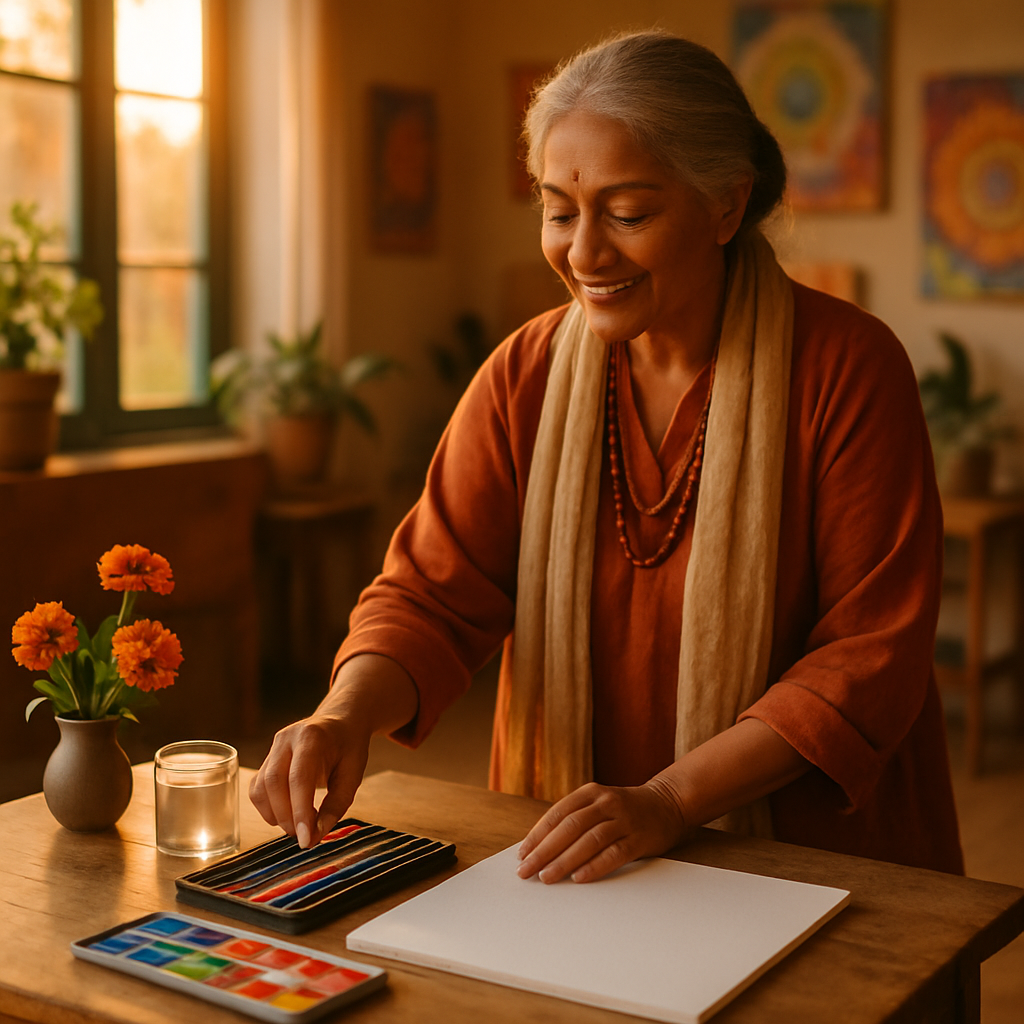
Provide minimal supply setup that feels accessible rather than intimidating. Watercolor pencils, basic paints, and drawing paper create enough possibility without overwhelming choice.
-
Begin with simple mark-making exercises that require no artistic skill. Ask them to draw their breath, paint their current spiritual season, or make marks that express their relationship with God.
-
Integrate creative expression within normal session rhythm rather than making it the entire focus. Fifteen minutes of painting within a ninety-minute session feels manageable.
-
Process the experience through contemplative observation rather than interpretation. Ask what they notice, what surprises them, where their attention goes in the image.
-
Document themes that emerge without analyzing psychological content. Note spiritual patterns, recurring symbols, or shifts in their relationship with divine presence.
Sessions incorporating art average 90 minutes versus 60 minutes for talk-only direction. The extended time allows for both creative expression and verbal processing without rushing either element. Most breakthrough moments happen during the painting process itself, not in discussing what was painted.
Managing logistics matters for sustainability. Choose supplies that store easily, clean up quickly, and work within your office space. The goal is removing barriers to spiritual expression, not creating new obstacles.
What Art Methods Actually Serve Rabbis, Chaplains, and Spiritual Directors?
-
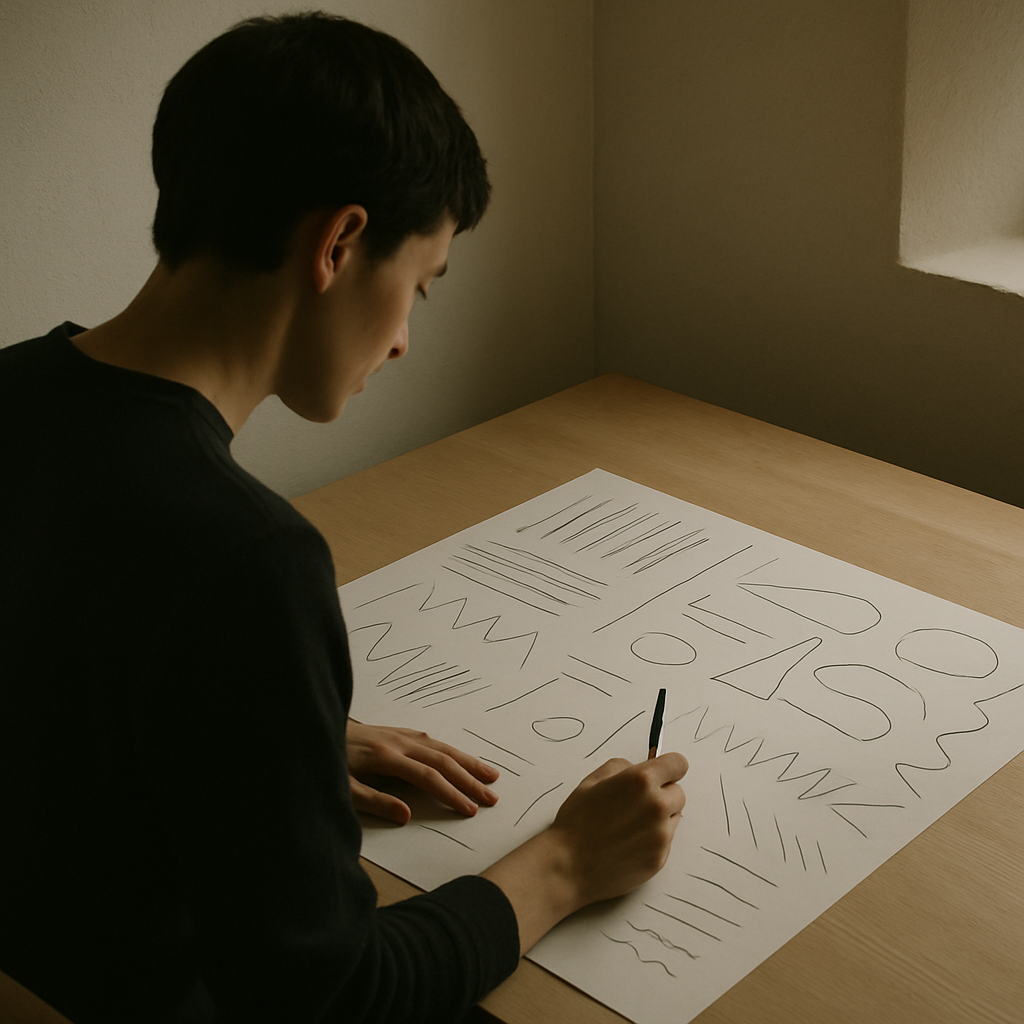
Mark-making exercises bypass artistic anxiety while providing immediate access to inner material. Simple lines, shapes, and gestural marks require no training but reveal significant spiritual content.
-
Color meditation using watercolor or soft pastels allows directees to explore their emotional relationship with divine presence. Each color carries energetic and symbolic weight that emerges naturally.
-
Sketchbook daily practice bridges sessions by providing ongoing dialogue between directee and God through visual journaling. Simple daily marks build spiritual muscle over time.
-
Acrylic glazing technique serves directees who want more structured painting experience while maintaining spiritual focus. The layered process mirrors spiritual formation itself.
-
Sacred geometry and mandala creation provide containment for those who feel anxious about open-ended expression. The circular boundary creates safety for spiritual exploration.
-
Collage and mixed media work especially well for directees processing transition or seeking clarity about vocation. Combining found images with painted elements mirrors the process of spiritual discernment.
Mark-making exercises produce breakthrough moments in 73% of sessions where verbal processing reached impasse. Creative healing happens when someone discovers they can express what they couldn’t say. Community creative leadership emerges as spiritual directors learn to guide others through these non-verbal pathways to divine encounter.
Different methods serve different spiritual issues. Grief work often calls for painting through dark colors toward light. Discernment processes benefit from collage that combines multiple possibilities. Prayer life exploration responds well to gestural mark-making that follows breath and body.
When Does Art in Spiritual Direction Cross Lines You Shouldn’t Cross?
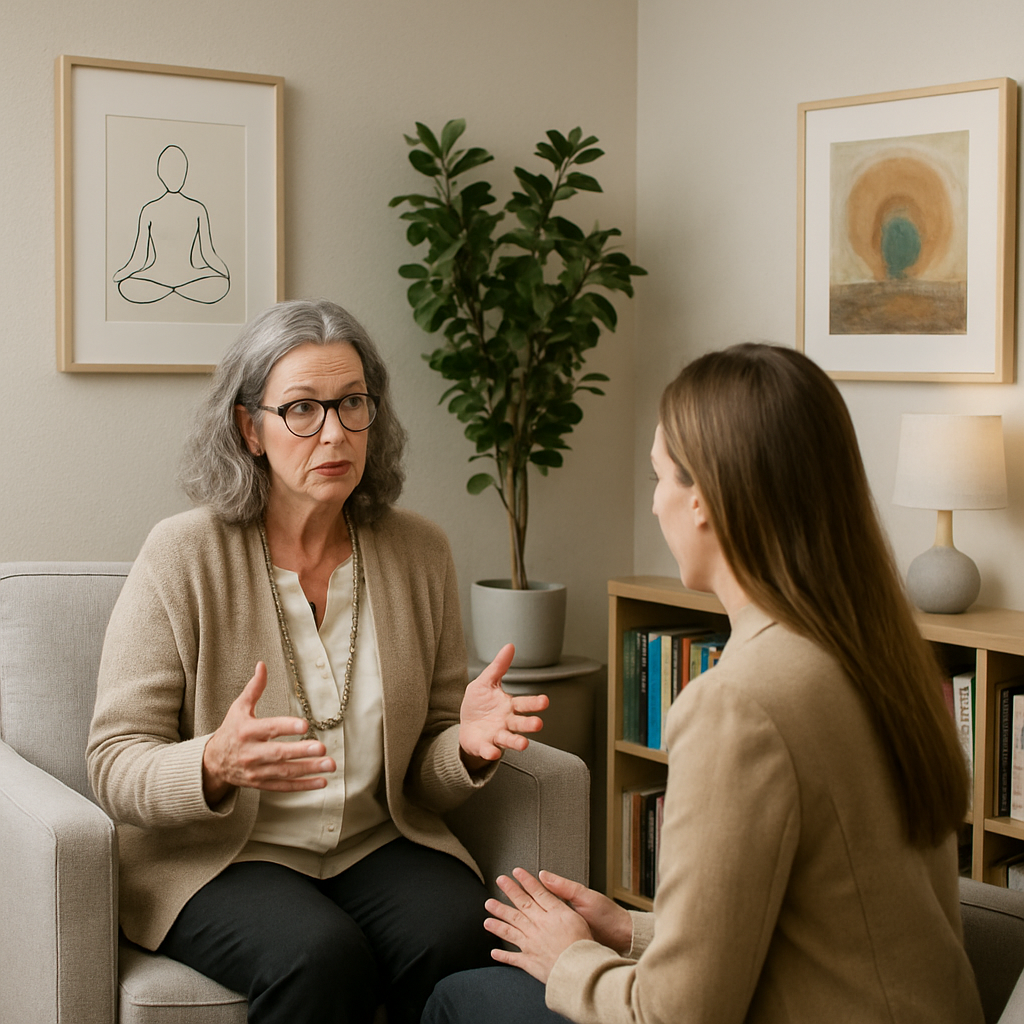
Spiritual directors must recognize professional boundaries when creative expression uncovers material requiring clinical intervention. Therapeutic art practice belongs to licensed professionals trained in psychological treatment.
Red flags include persistent trauma responses triggered by creative expression, dissociation during art-making, or psychological symptoms that exceed spiritual formation scope. When someone paints images of self-harm, experiences flashbacks during creative work, or shows signs of psychosis or severe depression, referral to licensed art therapists becomes necessary.
Spiritual directors report referring 12% of directees who engage in creative expression for professional mental health support. This percentage reflects healthy boundary awareness rather than failure of method. Creative expression sometimes reveals clinical needs that spiritual direction alone cannot address.
Creative healing within spiritual direction focuses on relationship with divine rather than psychological symptom management. When someone’s art consistently reveals trauma patterns, eating disorder behaviors, or substance abuse themes, clinical intervention serves their wellbeing better than continued spiritual direction.
Documentation should reflect spiritual themes rather than psychological assessments. Note patterns in their prayer life, recurring spiritual symbols, or shifts in their relationship with sacred presence. Avoid diagnostic language or clinical interpretations that exceed your training scope.
Liability considerations require clear communication about what spiritual direction with creative expression can and cannot provide. Directees need to understand they’re engaging in spiritual formation, not psychological treatment, and that clinical needs require appropriate professional referral.
Frequently Asked Questions
Do I need art training to use creative expression in spiritual direction?
No formal art training is required for spiritual directors using creative expression. The focus is on spiritual formation through creative process, not artistic skill development. Basic familiarity with simple mark-making and color exercises serves most direction contexts.
What supplies do I actually need to start using art in my direction practice?
A minimal kit includes watercolor pencils, basic watercolor paints, drawing paper, and simple brushes. This setup requires no special studio space and can be stored in a small container in your direction office. Most breakthrough sessions use only 3-4 colors.
How do I know when a directee needs art therapy instead of creative spiritual direction?
Refer to licensed art therapists when creative expression consistently triggers trauma responses, when directees report dissociation during art-making, or when psychological symptoms appear that require clinical intervention. Spiritual direction with art focuses on spiritual formation, not psychological treatment.
Leave a Reply