Rebbe Nachman creativity flows from an understanding most artists never discover: your broken heart makes your art holy. The Breslov master taught that creative expression becomes a direct pathway to divine connection when approached with proper intention. This transforms painting from hobby to spiritual practice, from self-expression to sacred service.
Key Takeaways:
- Rebbe Nachman taught that storytelling and creative imagination are pathways to the divine, the same principle applies to soul-led painting practice
- Breslov tradition views joy as a spiritual obligation, making painting for joy not indulgent but commanded religious practice
- The broken heart closest to God principle transforms creative struggle from artistic failure into spiritual deepening
What Did Rebbe Nachman Teach About Story, Symbol, and the Creative Imagination?
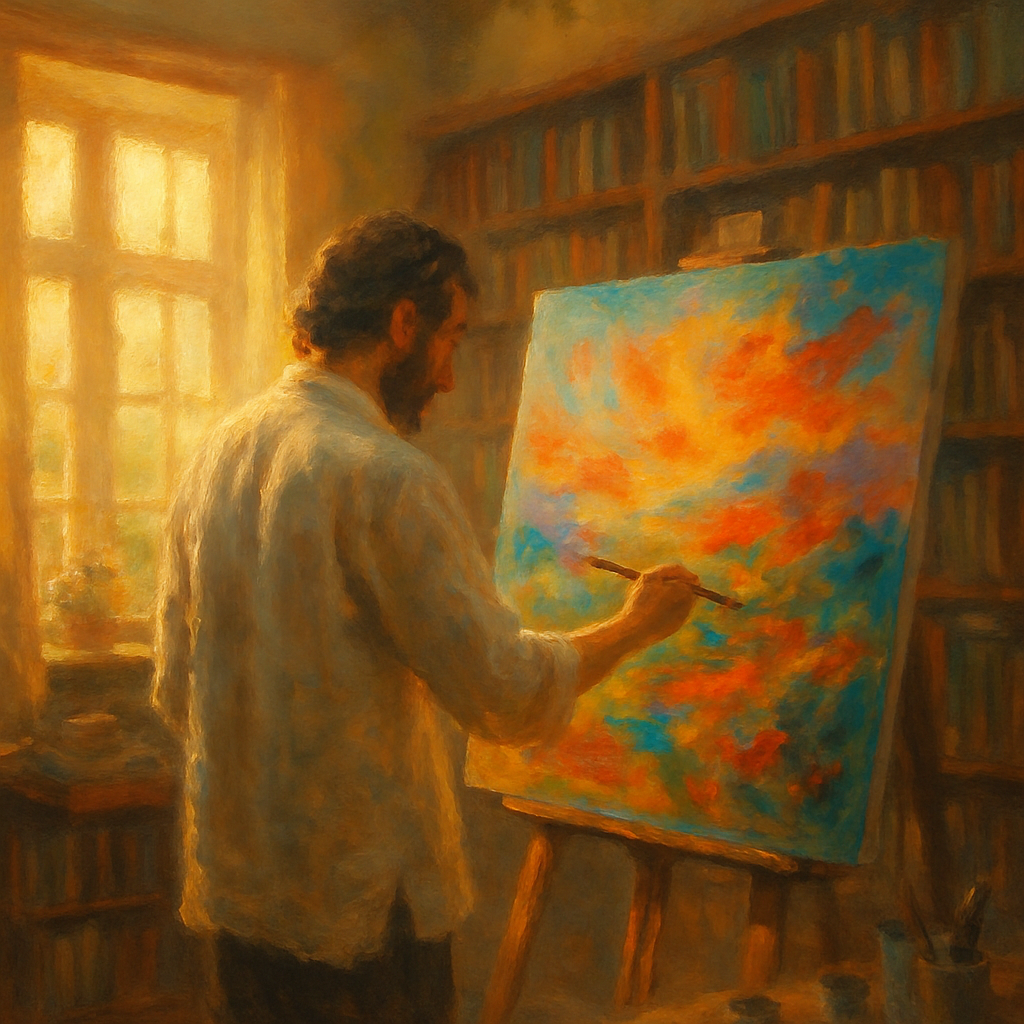
Rabbi Nachman of Breslov (1772-1810) revolutionized Jewish creative tradition by positioning imagination as a spiritual tool rather than a distraction from holiness. Creative imagination is the soul’s language for truths that logic cannot reach. This means your painting practice becomes a form of divine service when approached with kavanah (directed intention) and understood as spiritual communication rather than mere self-expression.
The Rebbe told 13 complete stories during his lifetime, each designed to heal specific spiritual ailments through symbolic narrative. He taught that creative work serves as a vessel for divine light when the artist approaches the canvas with the same reverence a Torah scribe brings to sacred text. The difference lies not in the medium but in the intention behind the marks.
Breslov creative wisdom transforms how you understand artistic struggle. When you sit before a blank canvas feeling blocked or inadequate, Rebbe Nachman would say this emptiness creates space for divine inspiration. Your creative imagination becomes a form of prayer when you use it to seek connection with something greater than yourself. The brush becomes an instrument of devotion when wielded with proper kavanah.
This approach differs from secular art therapy or general creative practice because it positions your intuitive painting as a conversation with God rather than a conversation with yourself. Every color choice, every gestural mark, every moment of creative breakthrough becomes a form of hitbonenut, absorbed contemplation that leads to divine union.
How Does Joy as Spiritual Obligation Transform Your Painting Practice?
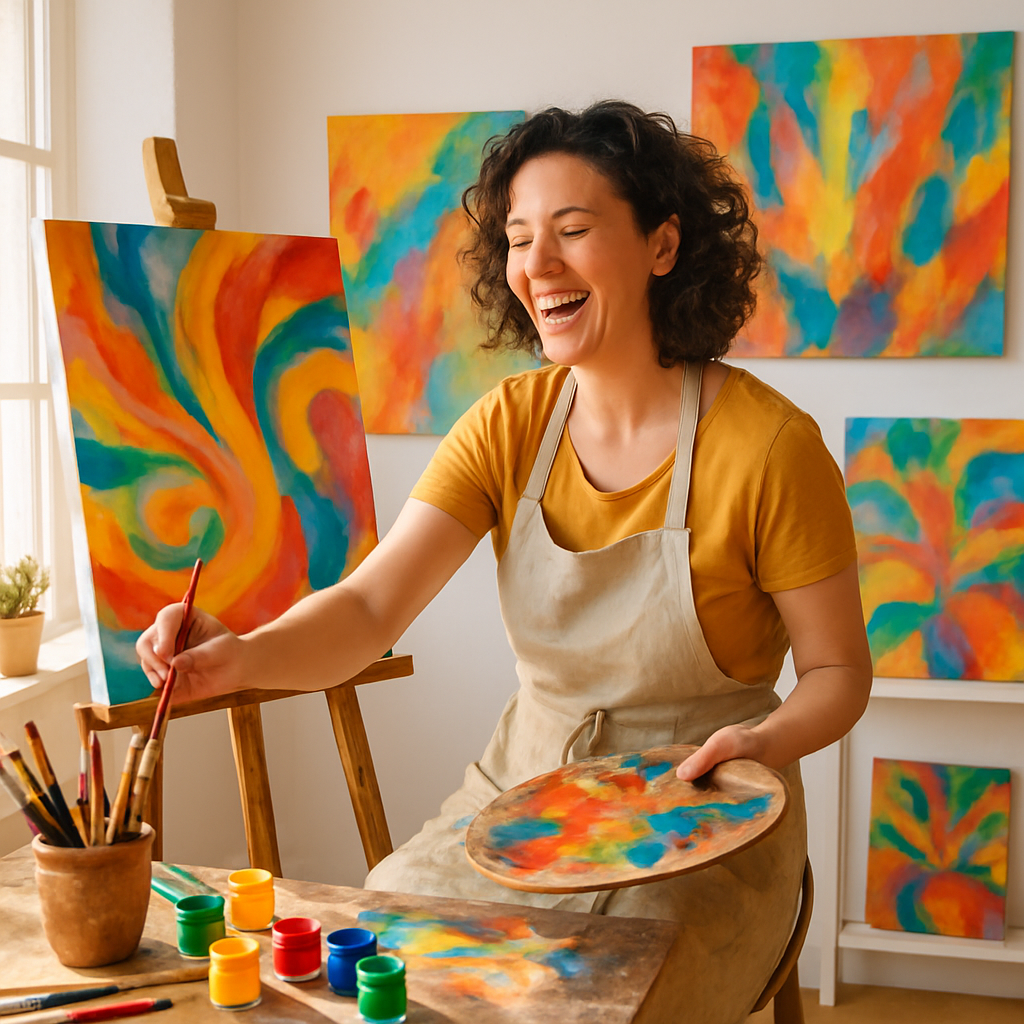
Rabbi Nachman taught that melancholy drives away the Shekhinah (divine presence), making joy cultivation a religious duty rather than a luxury. Breslov tradition commands that joy serves as essential spiritual practice, which transforms how you approach your creative sessions. When you paint for joy, you fulfill a spiritual obligation.
| Painting Approach | Breslov Perspective | Practical Application |
|---|---|---|
| Joy as indulgence | Joy as mitzvah (commandment) | Schedule painting time as spiritual practice |
| Productivity focus | Presence focus | Success measured by connection, not output |
| Perfect results | Joyful process | Permission to make marks that please you |
| Guilt over pleasure | Obligation to delight | Paint colors that make your soul sing |
This teaching revolutionizes creative guilt. When you choose bright colors because they spark joy, you perform a religious act. When you extend a painting session because you love the feeling of brush against canvas, you serve God through delight. Breslov wisdom recognizes that painting from the soul naturally produces joy when approached without the burden of external expectations.
The tradition teaches that depression blocks divine light, making your commitment to find joy through painting a form of spiritual resistance. Every moment you choose curiosity over self-criticism, playfulness over perfectionism, you create space for divine presence in your creative work. This transforms painting sessions from potential sources of stress into commanded opportunities for spiritual elevation.
Why Is the Broken Heart Closest to God? Painting Through Darkness
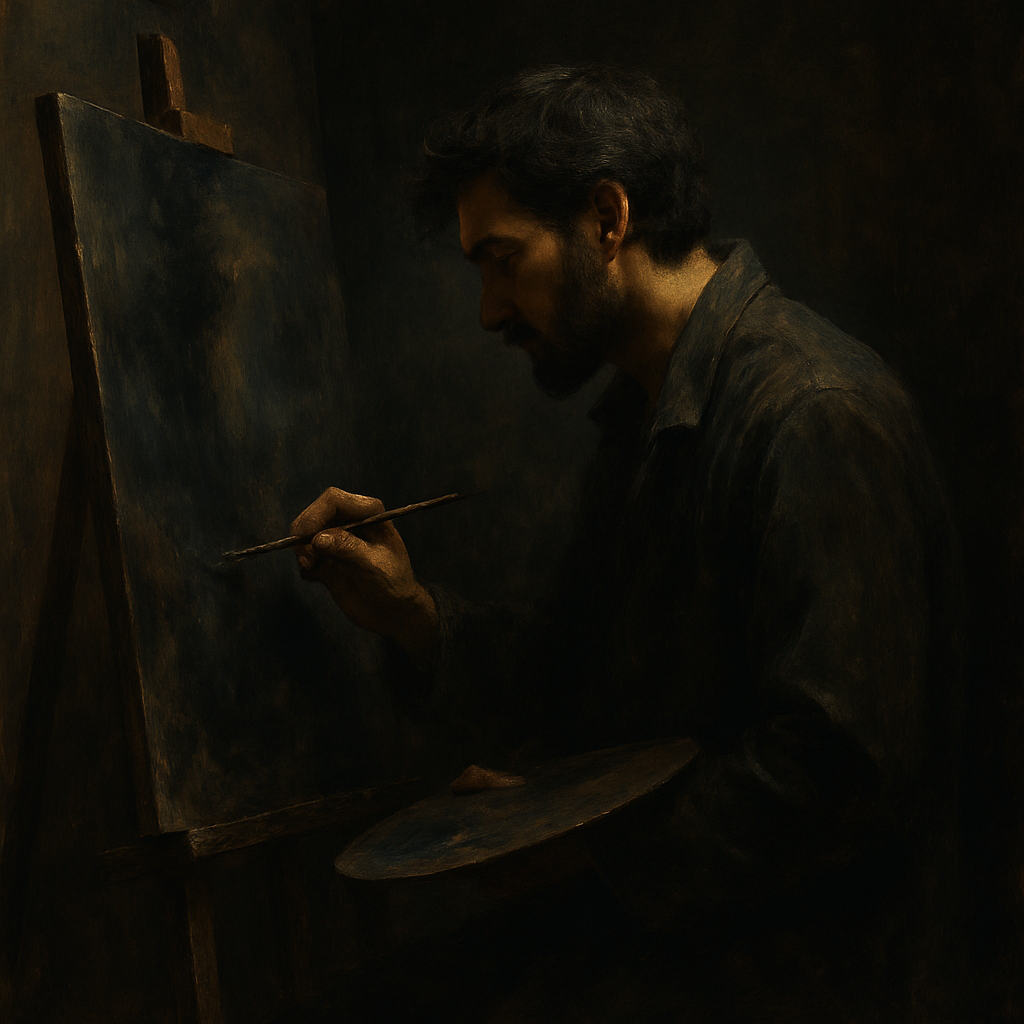
Rabbi Nachman experienced severe depression and taught that spiritual depth comes through darkness, not around it. The broken heart closest to God principle means your creative struggles serve spiritual purpose rather than indicating artistic failure. Broken hearts create the vessel for divine light in creative work because pain cracks open space that joy alone cannot access.
This teaching transforms how you understand difficult painting sessions. When you sit before a canvas feeling raw or wounded, Breslov wisdom recognizes this state as spiritually advantageous. Your vulnerability becomes creative material rather than creative obstacle. The painting that emerges from heartbreak carries divine light precisely because it was born from a place of spiritual openness.
Painting through difficulty differs from painting to escape difficulty. Escape painting tries to avoid pain through creative distraction. Breslov-inspired soulful art practice brings pain to the canvas as sacred material, transforming suffering into divine service. You paint with your brokenness rather than despite it.
This approach honors the full spectrum of human experience as spiritually valuable. Your paintings created during periods of grief, anxiety, or struggle become vessels for divine compassion. The marks you make while crying, the colors you choose while mourning, the textures you create while wrestling with uncertainty, all serve as forms of prayer that conventional worship cannot express. Rebbe Nachman taught that God dwells closest to the brokenhearted because broken hearts create the most receptive vessels for divine presence.
What Breslov Practices Actually Apply to Your Painting Sessions?
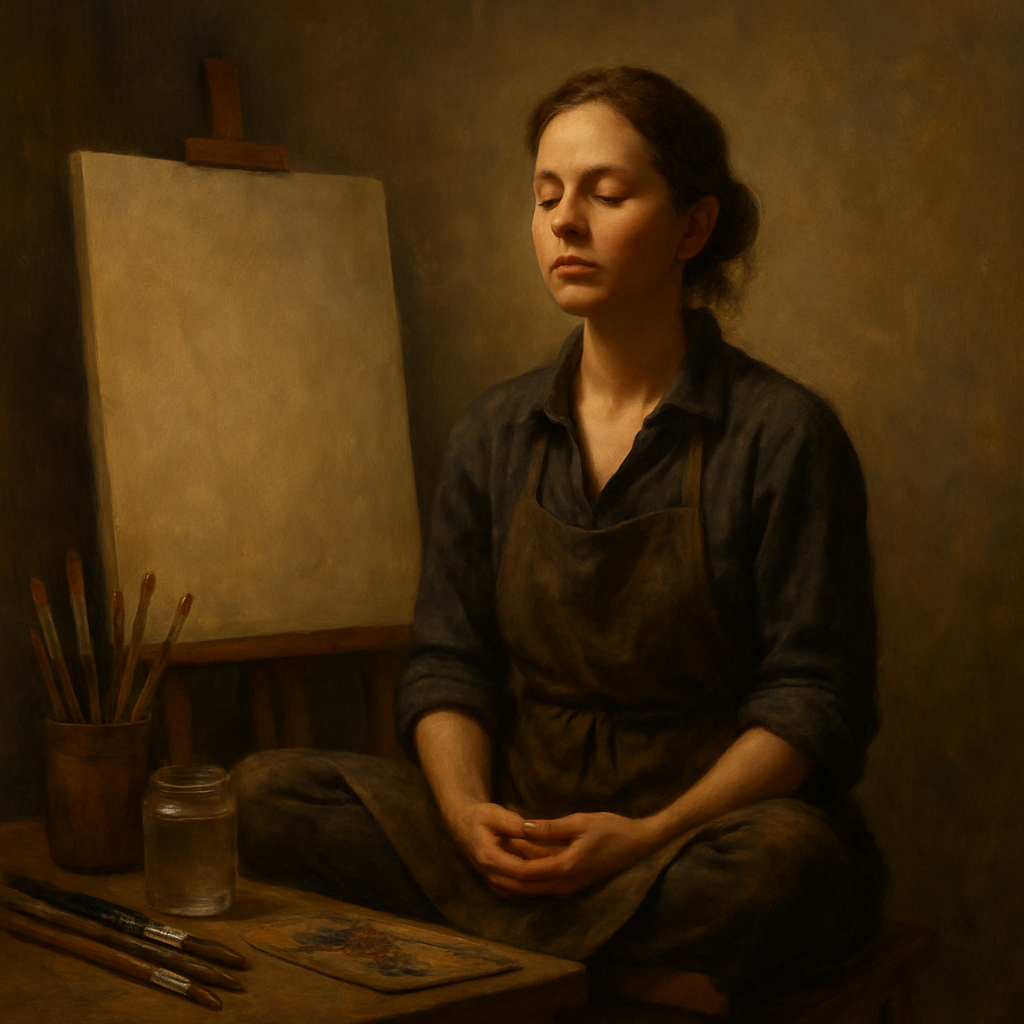
Breslov hitbodeduth transforms into painting as personal prayer practice through specific, adaptable techniques. Traditional hitbodeduth sessions last between 30 minutes to several hours, adapting naturally to painting session lengths. Here are the practical steps for integrating Breslov wisdom into your creative practice:
Set kavanah before touching the brush. Spend 2-3 minutes stating your intention aloud or silently, dedicating the creative session to divine service and personal spiritual growth.
Begin with breath and movement. Follow Breslov tradition by incorporating physical preparation, stretch your shoulders, breathe deeply three times, move your hands in circles to awaken creative energy.
Practice hitbodeduth through color and mark. Speak directly to God through your brush choices, sharing gratitude, concerns, hopes, or struggles as you paint rather than staying silent.
Use spontaneous prayer between paint layers. While paint dries, continue the conversation with brief personal prayers or moments of listening for divine guidance about your next creative steps.
End with gratitude and reflection. Close each session by acknowledging what emerged, thanking God for creative capacity, and noting any insights or emotional shifts that occurred during the work.
Maintain regular creative practice. Like daily prayer, Breslov-inspired painting thrives on consistency rather than perfection, establishing rhythm that deepens spiritual connection over time.
These practices transform your painting space into a sacred environment where divine conversation happens through creative expression. The goal shifts from producing beautiful art to cultivating intimate relationship with God through the act of making.
How Do You Recognize Breslov Wisdom Working in Your Creative Life?
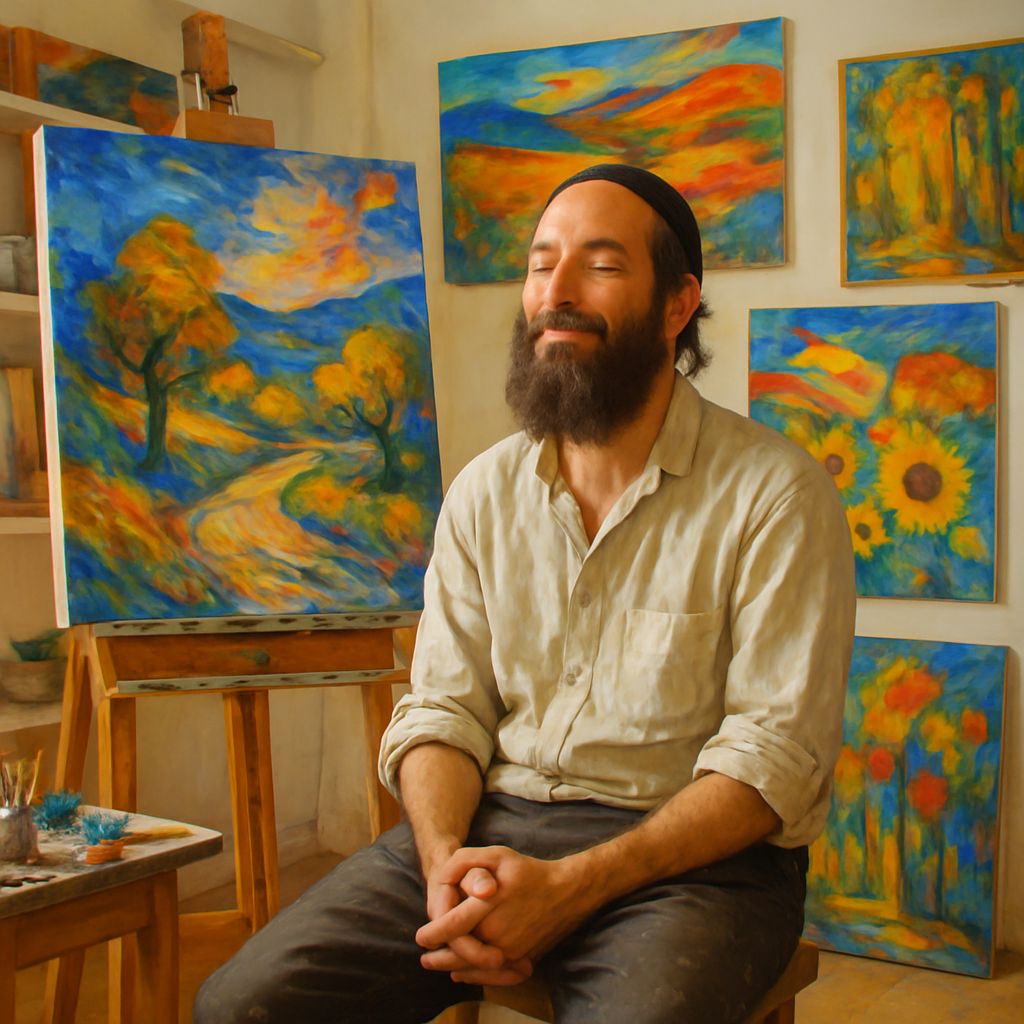
Breslov creative wisdom produces recognizable signs in daily artistic practice when applied with consistency and sincerity. Students practicing Breslov-inspired painting report decreased creative anxiety within their first month of practice. Observable changes indicate that painting practice serves spiritual development:
Creative struggles feel purposeful rather than defeating. You begin to experience blocks, mistakes, and challenging sessions as opportunities for deeper divine connection rather than evidence of artistic inadequacy.
Joy becomes accessible even during difficult life circumstances. Your painting practice provides a reliable pathway to moments of delight and spiritual lightness, regardless of external stressors or emotional states.
Painting sessions function as effective prayer time. You notice that concerns, gratitude, and spiritual questions naturally arise and receive attention during creative work, making the studio a space for divine communication.
Creative community reflects increased spiritual connection. Relationships with other artists and creative friends deepen as you approach them with the same openness and presence you bring to your painting practice.
Physical and emotional well-being improves through regular creative practice. The combination of joy cultivation, emotional processing, and divine connection through painting creates positive changes in mood, energy, and spiritual vitality.
Creative decisions align with authentic spiritual values. Color choices, subject matter, and artistic directions begin reflecting your deepest beliefs and commitments rather than external expectations or market pressures.
These shifts indicate that your painting practice has become a form of applied Breslov wisdom, serving both creative and spiritual development through the integration of joy, authenticity, and divine relationship.
Frequently Asked Questions
Do I need to be Jewish to apply Breslov wisdom to my art practice?
Rabbi Nachman’s teachings on creativity, joy, and working through brokenness speak to universal human experiences that transcend religious boundaries. The specific practices like hitbodeduth can be adapted by anyone seeking deeper meaning in their creative work, regardless of religious background. The core principles, approaching art as spiritual practice, cultivating joy as sacred obligation, and using creative expression for divine communication, offer value to any sincere spiritual seeker.
How is Breslov different from other Jewish approaches to creativity?
Breslov tradition emphasizes personal relationship with the divine through creative expression and embraces emotional intensity as spiritual material, setting it apart from more formal approaches. Unlike traditions that require extensive study before practice, Breslov encourages talking directly to God through your creative work from the beginning. This makes Breslov wisdom particularly accessible for artists who want to integrate spirituality into their painting practice without years of preparation or institutional affiliation.
Can painting really count as prayer according to Breslov teaching?
Yes, when approached with proper kavanah and used as a form of hitbodeduth, painting becomes legitimate devotional practice in Breslov tradition. Rabbi Nachman taught that any sincere expression of the soul toward the divine becomes prayer, making painting with spiritual intention a valid form of worship. The key lies in approaching the canvas as sacred space and using creative expression as a vehicle for divine communication rather than pure self-expression.
Leave a Reply